Company:

ASOS

Duration:

4 months

Platforms:

iOS • Android • Web

Role:

Lead Product Designer • 0-1

TL;DR

I led the end-to-end design of ASOS Live - a 0 to 1 feature bringing interactive live shopping to the ASOS app for the first time. I owned everything from discovery through vendor selection, stakeholder workshops, prototyping, user testing, branding and iteration through to launch.


Higher add to bag rate for viewers vs non-viewers

Significantly higher conversion rate for viewers vs non-viewers

Increased average session time among viewers

33.9% engagement rate vs 21.9% benchmark

145,000 impressions across the first four episodes

25,000+ product clicks generated
Context
Context

ASOS customers discover fashion through TikTok and Instagram, yet the ASOS app remained static and transactional. Low engagement was directly impacting loyalty, order frequency and acquisition - and the gap between where customers found inspiration and where they actually shopped was widening.

ASOS customers discover fashion through TikTok and Instagram, yet the ASOS app remained static and transactional. Low engagement was directly impacting loyalty, order frequency and acquisition - and the gap between where customers found inspiration and where they actually shopped was widening.

My Role
My Role

End-to-end design ownership from discovery to launch. I led all research, facilitated stakeholder workshops, drove vendor selection alongside Product and Engineering, prototyped and tested the full journey, and owned the creative direction of the branding and final experience.

The Problem
The Problem

Three research themes defined the opportunity: inspiration was happening elsewhere on social platforms, confidence in fit and authenticity was low, and choice felt overwhelming. ASOS needed to bring inspiration directly into the shopping journey in a way that felt native to how its audience already consumed content.
Objectives
The Branding Challenge

Increase brand relevancy with a Gen Z audience

Increase brand relevancy with a Gen Z audience

Drive sales and conversion directly from content

Drive sales and conversion directly from content

Establish ASOS as a video-led fashion destination, not just a retailer

Establish ASOS as a video-led fashion destination, not just a retailer

Process
Process

User research


Customer interviews surfaced three consistent themes: Pinterest, TikTok and Instagram were the go-to sources for style ideas; shoppers looked for validation from friends and creators before buying; and short styling-focused video built more trust than static imagery. The insight was clear - ASOS needed to shift from passive browsing to authentic, video-first experiences.

Vendor selection


After evaluating multiple platforms alongside my PM and Engineering Lead, we selected a best-in-class live shopping vendor based on its capabilities, integration potential and roadmap. Visiting existing implementations from major fashion brands gave us first-hand experience of the product before committing.

User research


Customer interviews surfaced three consistent themes: Pinterest, TikTok and Instagram were the go-to sources for style ideas; shoppers looked for validation from friends and creators before buying; and short styling-focused video built more trust than static imagery. The insight was clear - ASOS needed to shift from passive browsing to authentic, video-first experiences.

Stakeholder alignment workshop

I facilitated a workshop to align stakeholders on the key decisions for ASOS Live - show frequency, optimal timing based on app behaviour data, content type and ownership, and all possible customer entry points. This became the foundation for everything that followed.

Jobs to be done

Working with my PM, I built a JTBD board to structure research insights into clear needs, pain points and opportunities across the shopping journey. It mapped where ASOS Live could meaningfully step in - from delivering authentic styling content to reducing uncertainty at the point of purchase - and became a shared reference point across design, product and engineering.

Stakeholder alignment workshop


I facilitated a workshop to align stakeholders on the key decisions for ASOS Live - show frequency, optimal timing based on app behaviour data, content type and ownership, and all possible customer entry points. This became the foundation for everything that followed.

Content framework

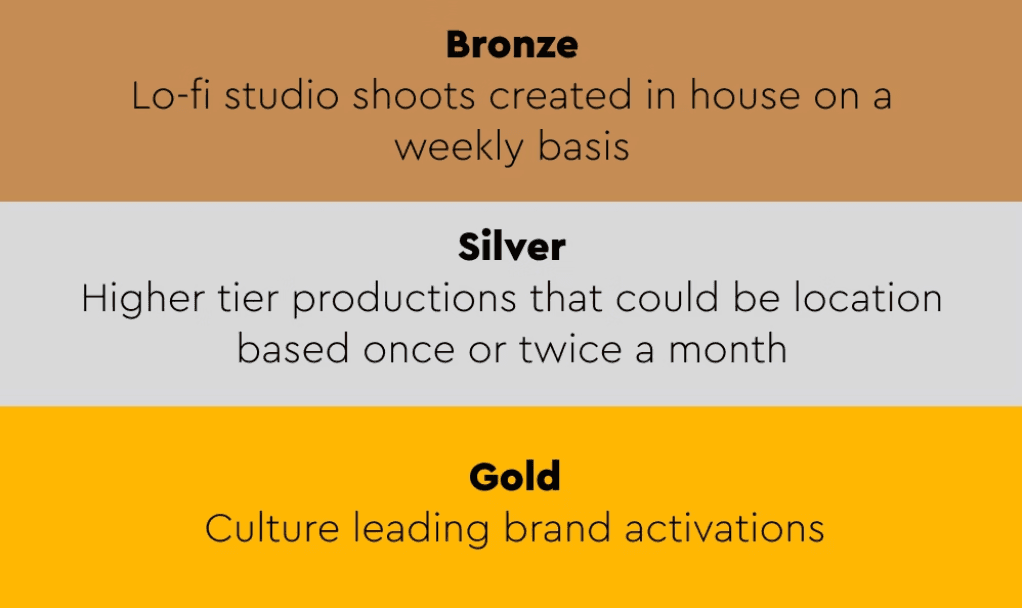
To plan the right balance of content, I defined three tiers of production - giving us a scalable way to deliver frequent content while preserving space for high-impact moments.

Customer journey mapping

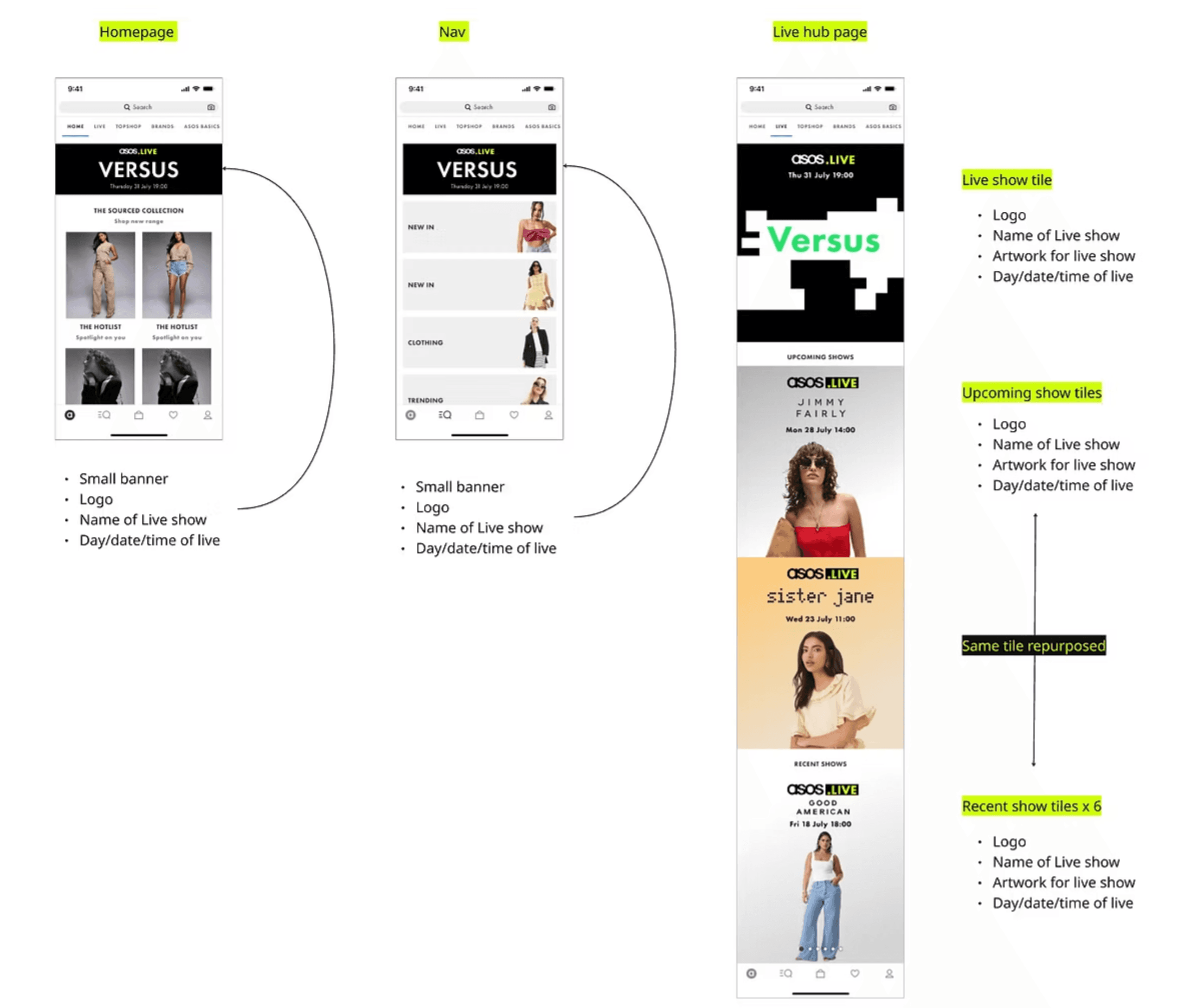
I ran a workshop with the content team to map customer journeys and explore how artwork could reflect different show states. Resource constraints meant the original plan of rotating multiple show statuses wasn't feasible, so I scaled the vision back to a single status with page placement driving differentiation instead.

Customer journey mapping


 I ran a workshop with the content team to map customer journeys and explore how artwork could reflect different show states. Resource constraints meant the original plan of rotating multiple show statuses wasn't feasible, so I scaled the vision back to a single status with page placement driving differentiation instead.

Prototyping and user testing

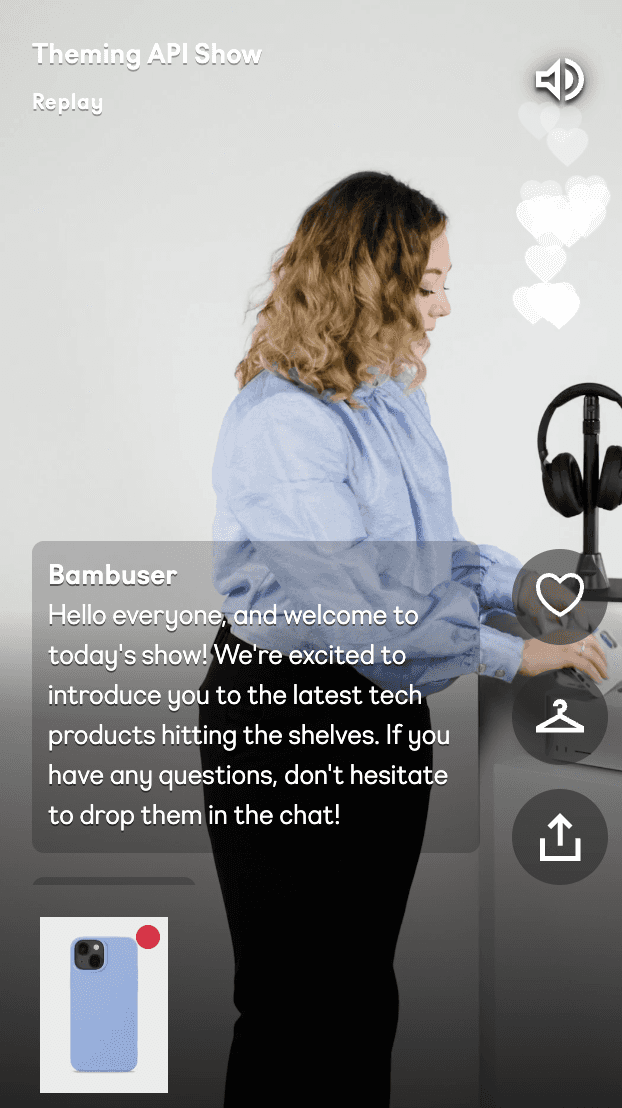
I prototyped continuously throughout, using placeholder assets I created while waiting on final brand materials. User testing the full journey revealed three friction points: the cart sheet caused confusion, icons within the live screen lacked clarity, and the landing page needed restructuring. I redesigned the icons, removed the cart sheet and rebuilt the landing page based on those insights.

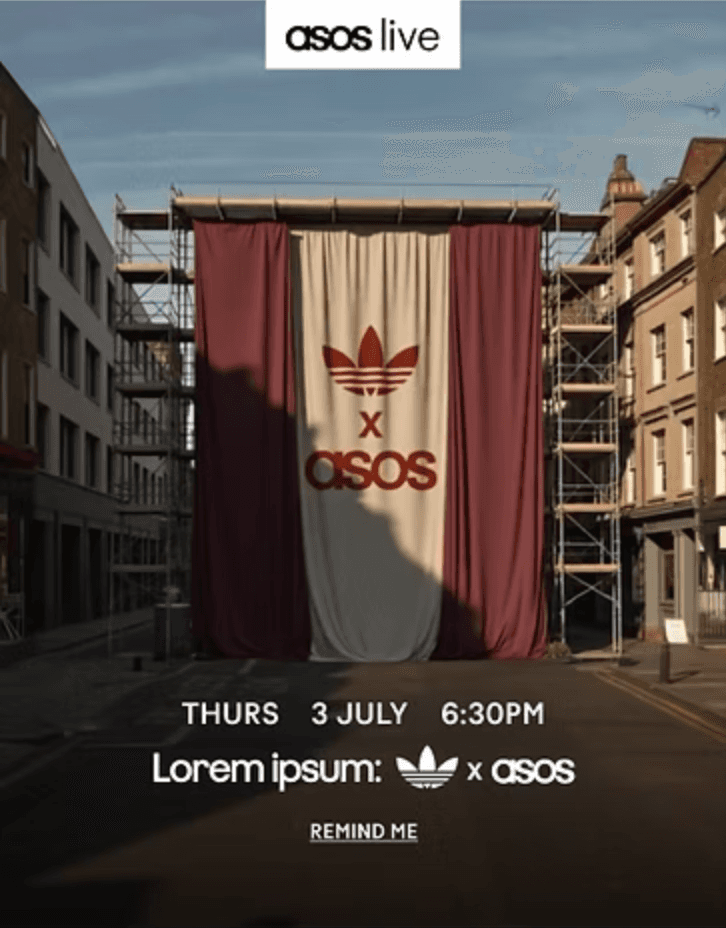
When the brand team finally shared their concept, it looked polished but failed to explain what ASOS Live actually was. User testing confirmed it - customers were unclear on the proposition, with some assuming it was a homeware range and others thinking it was a sale.

The Branding Challenge
Objectives
Objectives

With three weeks to launch and no brand input received, I needed a logo and finalised look and feel for stakeholder sign-off. As ASOS's first ever video proposition, the branding had to clearly signal what we were offering and give customers confidence to engage in a completely new way.

When the brand team finally shared their concept, it looked polished but failed to explain what ASOS Live actually was. User testing confirmed it - customers were unclear on the proposition, with some assuming it was a homeware range and others thinking it was a sale.

Jobs to be done

Working with my PM, I built a JTBD board to structure research insights into clear needs, pain points and opportunities across the shopping journey. It mapped where ASOS Live could meaningfully step in - from delivering authentic styling content to reducing uncertainty at the point of purchase - and became a shared reference point across design, product and engineering.

Jobs to be done


Working with my PM, I built a JTBD board to structure research insights into clear needs, pain points and opportunities across the shopping journey. It mapped where ASOS Live could meaningfully step in - from delivering authentic styling content to reducing uncertainty at the point of purchase - and became a shared reference point across design, product and engineering.

Rather than simply flagging the problem, I built the case. I mocked up the concept in situ to show how the logo failed to communicate the proposition and caused the navigation bar to visually bleed into the artwork. I also developed an alternative concept using the brand team's chosen font, featuring a motion logo inspired by a live transmission dot. Armed with user testing evidence and visual comparisons, I brought the brand team into a collaborative session to work through it together.

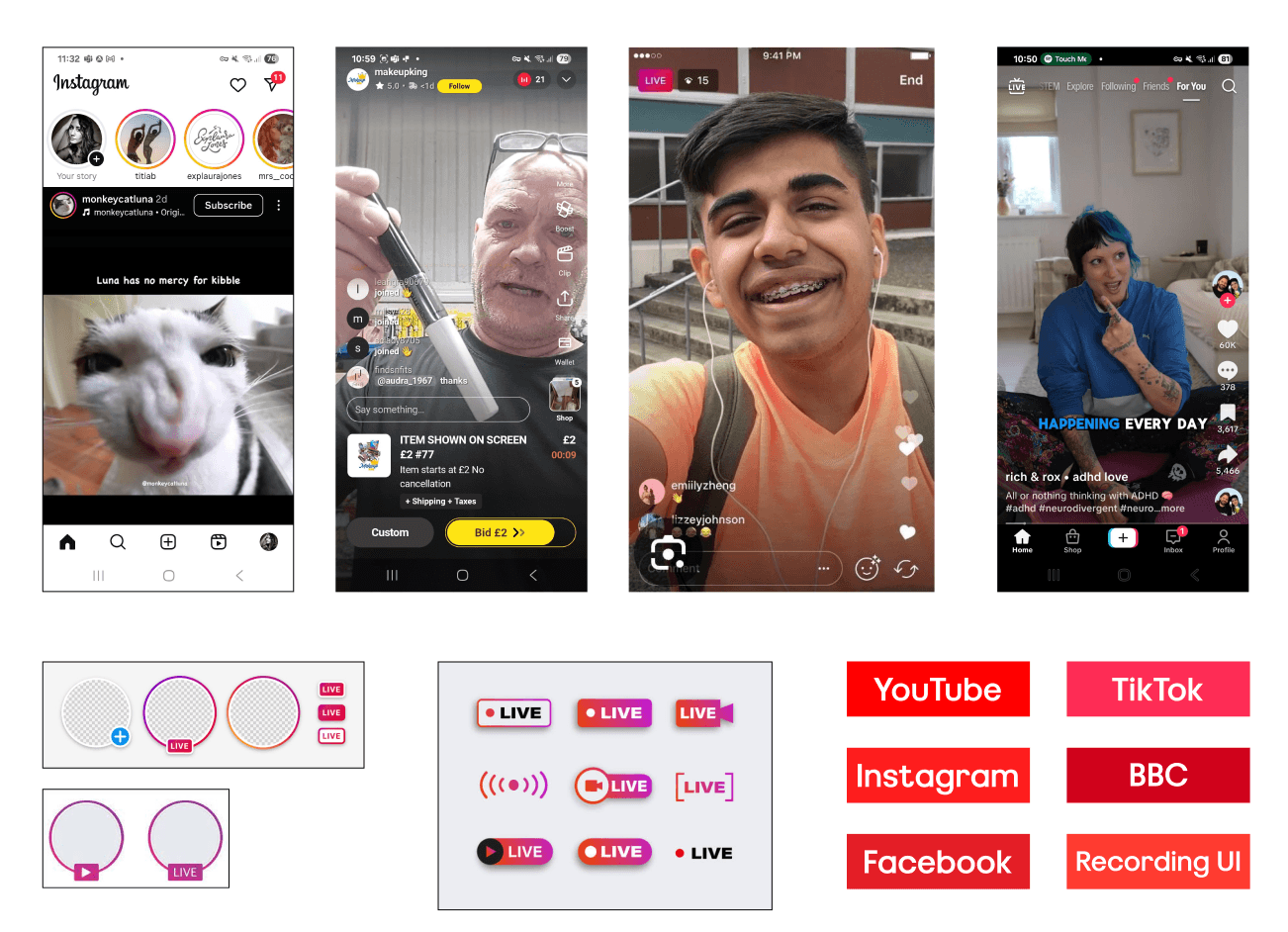
Working closely with a brand designer, we explored what visual cues Gen Z already associates with live content. We developed two concepts - one referencing Instagram Live, one based on the pulsing transmission dot from my proposal. User testing both gave us clear direction: the transmission dot resonated most strongly, with users describing it as immediately communicating live, real-time content. We presented it to the management committee and got sign-off.

Prototype and user testing


I prototyped continuously throughout, using placeholder assets I created while waiting on final brand materials. User testing the full journey revealed three friction points: the cart sheet caused confusion, icons within the live screen lacked clarity, and the landing page needed restructuring. I redesigned the icons, removed the cart sheet and rebuilt the landing page based on those insights.

Rather than simply flagging the problem, I built the case. I mocked up the concept in situ to show how the logo failed to communicate the proposition and caused the navigation bar to visually bleed into the artwork. I also developed an alternative concept using the brand team's chosen font, featuring a motion logo inspired by a live transmission dot. Armed with user testing evidence and visual comparisons, I brought the brand team into a collaborative session to work through it together.

The Design

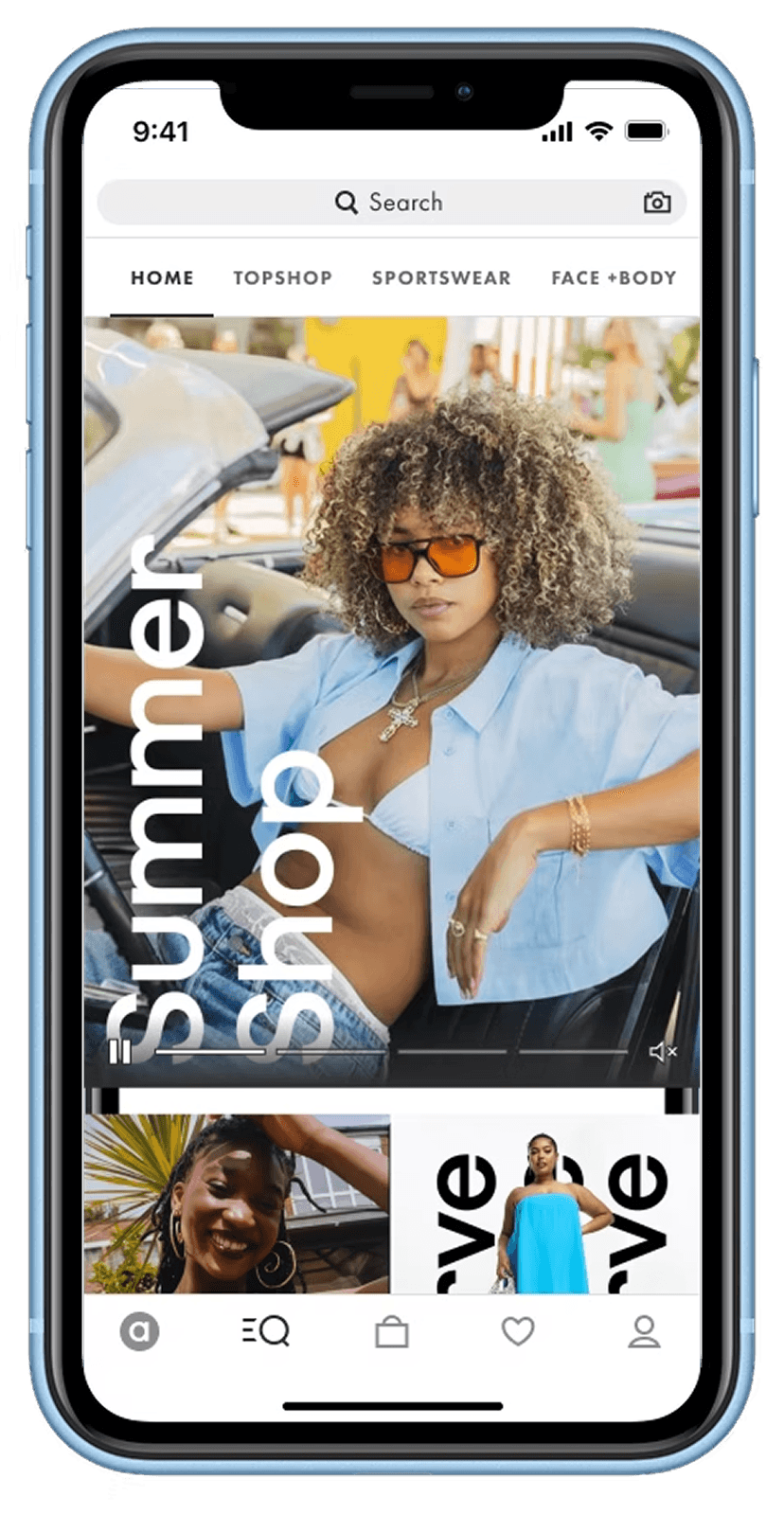
From left to right:

CRM > Pre Live > Live Show


The project reached fully validated, stakeholder-approved concepts ready for handoff to development. The pivot - which could have derailed the project - ultimately produced a more distinctive and emotionally resonant product than the original brief. By reframing a business constraint as a design opportunity, we moved from a standard loyalty shop to something genuinely memorable.

Across the first four episodes, ASOS Live generated over 1,000 hours of watch time, 145,000 impressions and 25,000+ product clicks. Engagement averaged 33.9% against a 21.9% benchmark.

Viewers converted at 2.76% compared to 1.95% for non-viewers — a 41.5% uplift. Add to bag rate was 6.2% higher for viewers, and average session time increased by almost two minutes.

Notably, 94% of views happened on replay rather than live, demonstrating that the format drives sustained engagement well beyond the broadcast itself.

Working closely with a brand designer, we explored what visual cues Gen Z already associates with live content. We developed two concepts - one referencing Instagram Live, one based on the pulsing transmission dot from my proposal. User testing both gave us clear direction: the transmission dot resonated most strongly, with users describing it as immediately communicating live, real-time content. We presented it to the management committee and got sign-off.

Results

When the brand team finally shared their concept, it looked polished but failed to explain what ASOS Live actually was. User testing confirmed it - customers were unclear on the proposition, with some assuming it was a homeware range and others thinking it was a sale.


Across the first four episodes, ASOS Live generated over 1,000 hours of watch time, 145,000 impressions and 25,000+ product clicks. Engagement averaged 33.9% against a 21.9% benchmark.

Viewers converted at 2.76% compared to 1.95% for non-viewers - a 41.5% uplift. Add to bag rate was 6.2% higher for viewers, and average session time increased by almost two minutes.

Notably, 94% of views happened on replay rather than live, demonstrating that the format drives sustained engagement well beyond the broadcast itself.


From left to right:

CRM > Pre Live > Live Show

From left to right:

CRM > Pre Live > Live Show

Learnings

Clarity is a design problem.

The branding challenge reinforced that communicating a new proposition clearly is as much a design responsibility as the experience itself. User testing gave me the evidence to push back constructively rather than just assert an opinion.

Authenticity outperforms production value

Unscripted, styling-led content consistently outperformed sales-focused shows. The closer the experience felt to social media, the better it performed.

Content needs to scale

High-quality studio shoots worked well but reach was limited. Expanding into creator-led and lower-production formats is the obvious next move to grow the channel.

94% on replay changes the brief. Designing primarily for a live experience missed where the majority of value was actually being created. Knowing that earlier would have shaped the journey differently.
More Projects

Content framework


To plan the right balance of content, I defined three tiers of production — giving us a scalable way to deliver frequent content while preserving space for high-impact moments.

With three weeks to launch and no brand input received, I needed a logo and finalised look and feel for stakeholder sign-off. As ASOS's first ever video proposition, the branding had to clearly signal what we were offering and give customers confidence to engage in a completely new way.

Vendor selection


After evaluating multiple platforms alongside my PM and Engineering Lead, we selected a best-in-class live shopping vendor based on its capabilities, integration potential and roadmap. Visiting existing implementations from major fashion brands gave us first-hand experience of the product before committing.